What are springtails?
Collemboles (also called springtails) are one of those hidden powerhouses of the natural world — tiny, almost invisible, yet absolutely essential to how ecosystems function. They’re a great reminder that the most important players in nature are often the ones we never notice.
What springtails are?
Collemboles (or Collembola) are very small arthropods — usually 1–4 mm long — belonging to the group of hexapods. They’re not considered true insects today, even though they have six legs. A few key traits define them:
- A collophore, a tube-like structure under their abdomen that gave them their name.
- Often a furcula, a forked appendage that acts like a spring, letting them jump to escape predators.
- They live in soil, leaf litter, bark, moss, tree canopies, sand, rocks, and even snow — they’re everywhere, including underground habitats where they adapt by losing pigmentation and eyes.
Their ecological role
Collemboles are major engineers of soil ecosystems. Their impact is surprisingly large given their size:
- Decomposition and nutrient cycling: They feed on decaying organic matter, fungi, and bacteria. By doing so, they accelerate decomposition, help recycle nutrients back into the soil and stimulate microbial activity by grazing on microflora. This makes them crucial for soil fertility.
- Regulation and dispersal of fungi: Collemboles interact heavily with soil fungi. They disperse fungal spores, helping maintain ecological balance and they influence which fungal species dominate, shaping the soil’s microbial community.
- Soil structure and ecosystem functioning: Because they are extremely abundant — sometimes tens of thousands per square meter — they contribute to soil aeration, influence soil aggregation and affect the overall functioning of ecosystems, especially forests and grasslands.
- Indicators of soil health: Collemboles are sensitive to pollutants and environmental changes, which makes them useful bioindicators for soil pollution and ecosystem monitoring.
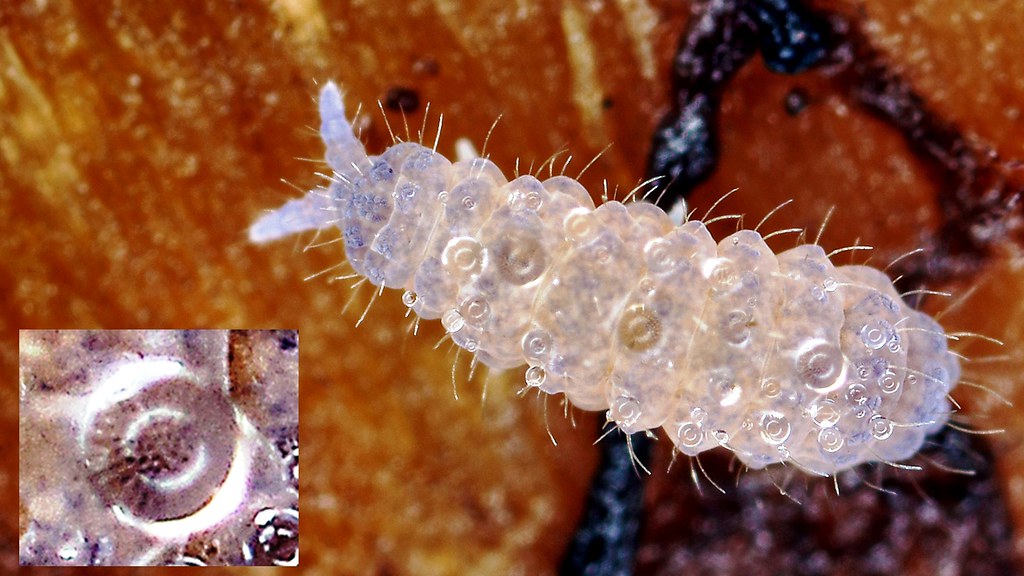
You may also like to know what are mealybugs : What are Mealybugs? (fear of plant lovers)
Our learning resources
- Our Gumroad shop : https://arthropodinfo.gumroad.com/
- Dangerousness of arachnids ebook : https://arthropodinfo.gumroad.com/l/dangerousness-of-arachnids