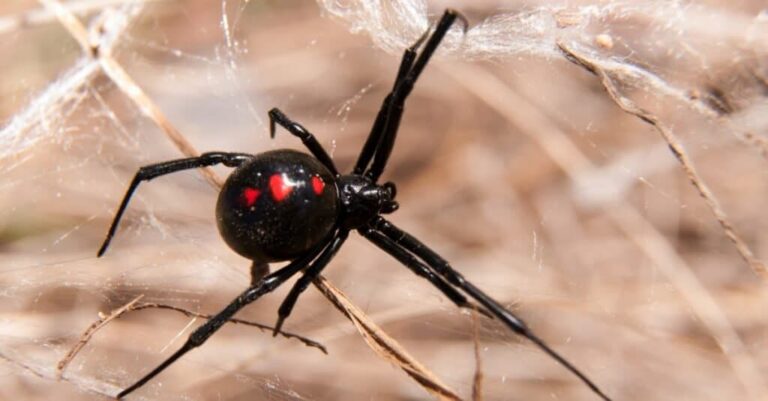
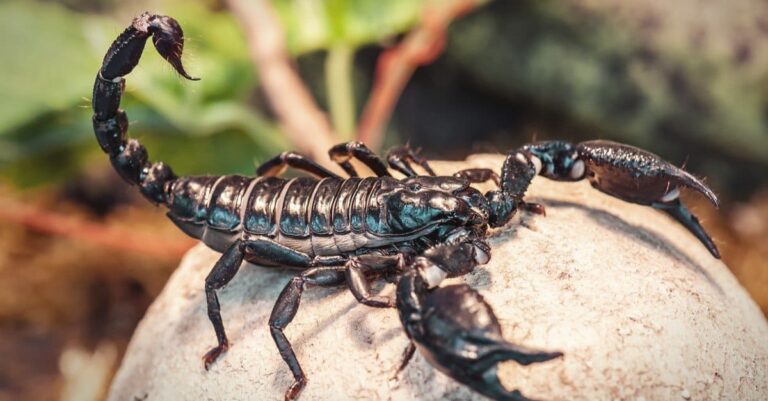
Are venomous animals immune to their own venom?
Venomous animals often have some level of protection against their own venom — but “immune” is too strong a word. The reality is more nuanced and varies widely across species.
Do venomous animals resist their own venom?
Most venomous animals have evolved physiological resistance to the toxins they produce. This helps prevent accidental self‑harm, especially since many rely on fast, repeated strikes or live in close quarters with others of their species.
How this resistance works:
- Modified receptors: Some animals, like mongooses, have altered acetylcholine receptors that prevent neurotoxins from binding.
- Neutralizing proteins: Certain snakes and mammals produce blood proteins that bind and deactivate venom components.
- Co-evolution: Species that regularly encounter venomous prey or rivals often develop stronger resistance.
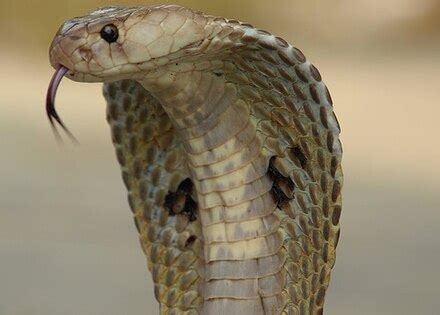
Are snakes immune to their own venom?
Not completely. Snakes generally have partial resistance, not full immunity.
A bite from themselves is unlikely to be fatal, but a bite from another snake — even of the same species — can be dangerous depending on the venom type and dose.
What about other venomous or venom‑resistant animals?
Many animals have evolved immunity or strong resistance to venom, including:
- Honey badgers
- Mongooses
- Certain birds
- Some snakes (like kingsnakes)
- Opossums
- Hedgehogs
These adaptations allow them to prey on venomous species or survive encounters that would kill most animals.
You may also like to know how spiders generate venom : How spiders generate venom? – arthropodinfo
Our learning resources
- Our Gumroad shop : https://arthropodinfo.gumroad.com/
- Dangerousness of arachnids ebook : https://arthropodinfo.gumroad.com/l/dangerousness-of-arachnids