Differenciate a dangerous and harmless scorpion
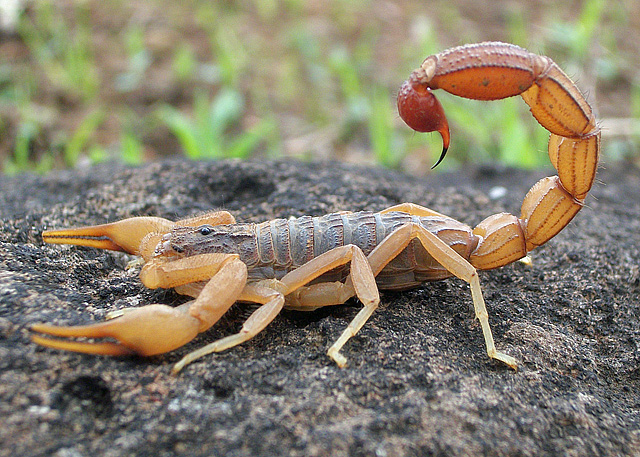
Most dangerous scorpions share a few clear physical traits: thick tails and thin pincers. Harmless species usually show the opposite pattern. This simple visual rule works surprisingly well across regions, including Europe, North Africa, and the Middle East, where species vary widely.
General rules
More Dangerous Scorpions:
- Thin, delicate pincers (they rely on venom, not strength)
- Thick, robust tail with a prominent stinger (strong venom delivery)
- More defensive, may raise tail quickly
- No universal color rule, it varies by species
More Harmless Scorpions:
- Thick, strong pincers (they rely on physical grip)
- Thin, slender tail (weaker venom)
- Often slower, less aggressive
- color is not a reliable indicator
Additional Clues
Venom Potency: Only 25–30 species out of ~2,000 are dangerous to humans. Most stings are painful but not medically serious.
Size: Some highly venomous species (e.g., Leiurus quinquestriatus, the deathstalker) are medium-sized, not large. Size alone is not a reliable indicator.
You may also like to know what does a scorpion sting feel like : What does a scorpion sting feel like? – arthropodinfo
Our learning resources
- Our Gumroad shop : https://arthropodinfo.gumroad.com/
- Dangerousness of arachnids ebook : https://arthropodinfo.gumroad.com/l/dangerousness-of-arachnids