How Long Do Spiders Live?
How Long Do Spiders Live?
Spiders are far more diverse in lifespan than most people expect. While many survive only a single season, others can live for decades. Their longevity depends on species, environment, sex, and lifestyle. Understanding these differences gives you a surprisingly rich picture of how spiders fit into ecosystems.
Short-Lived Species: The One‑Season Spiders
Most spiders you encounter in gardens, basements, or corners of the ceiling belong to species that live about one year. These include many orb‑weavers, jumping spiders, and wolf spiders. Their life cycle is tightly linked to the seasons: eggs hatch in spring, juveniles grow through summer, and adults reproduce in late summer or fall. After mating, most die as temperatures drop or food becomes scarce.
This short lifespan isn’t a sign of fragility—it’s an evolutionary strategy. These spiders invest heavily in producing large numbers of eggs, ensuring the next generation survives even if adults don’t. Their rapid growth and high reproductive output help them thrive in environments that change quickly.
House Spiders: The Survivors in Our Walls
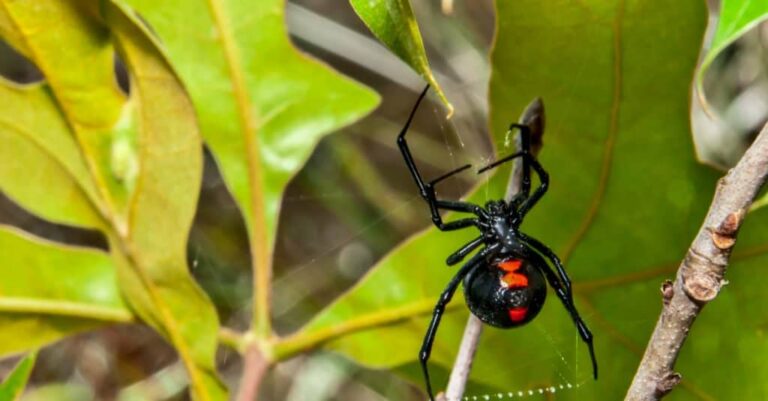
Spiders that live indoors often enjoy longer lives because they’re protected from harsh weather and predators. Common house spiders, such as the American house spider or cellar spiders, typically live 2–3 years, and some females can reach 6–7 years in stable conditions.
Indoor life gives them steady temperatures, fewer threats, and a reliable supply of insects. Females especially benefit from this stability, since they don’t need to expend energy searching for mates or building new webs outdoors.
Long-Lived Species: Tarantulas and Other Giants
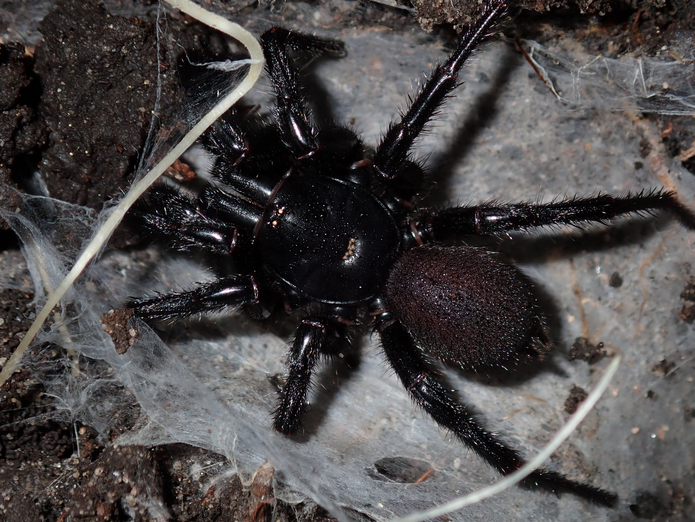
The true champions of spider longevity are tarantulas. Female tarantulas routinely live 15–25 years, and some species have been documented living over 30 years in captivity. A famous Mexican red‑knee tarantula lived to 43 years, making it one of the longest-lived spiders ever recorded.
Why so long-lived? Tarantulas grow slowly, mature late, and invest heavily in survival rather than rapid reproduction. Their large size helps them resist predators, and their burrowing lifestyle protects them from environmental extremes. Males, however, live much shorter lives—often only 1–3 years after reaching maturity—because once they mate, their biological purpose is essentially complete.
Why Do Females Usually Live Longer?
Across many spider species, females outlive males. This pattern comes down to biology and behavior:
- Females invest in egg production, which requires long-term survival.
- Males roam widely to find mates, exposing them to predators and starvation.
- In some species, males die naturally after mating or are eaten by females, though this is less common than people think.
Environmental Factors That Shape Lifespan
Even within a species, lifespan can vary widely depending on conditions:
- Temperature: Warmer climates speed up metabolism, shortening life.
- Food availability: Abundant prey supports longer survival.
- Predators and parasites: Outdoor spiders face constant threats.
- Captivity: Stable conditions dramatically extend lifespan for many species.
Why Spider Lifespans Matter
Understanding spider longevity helps ecologists track population health and ecosystem balance. Long-lived species like tarantulas are more vulnerable to habitat loss because they reproduce slowly. Short-lived species, meanwhile, are essential for controlling insect populations and supporting food webs.
You may also like to know how do spiders make webs : How do spiders make webs? (their entire process)
Our learning resources
- Our Gumroad shop : https://arthropodinfo.gumroad.com/
- Dangerousness of arachnids ebook : https://arthropodinfo.gumroad.com/l/dangerousness-of-arachnids