What are stingless bees?
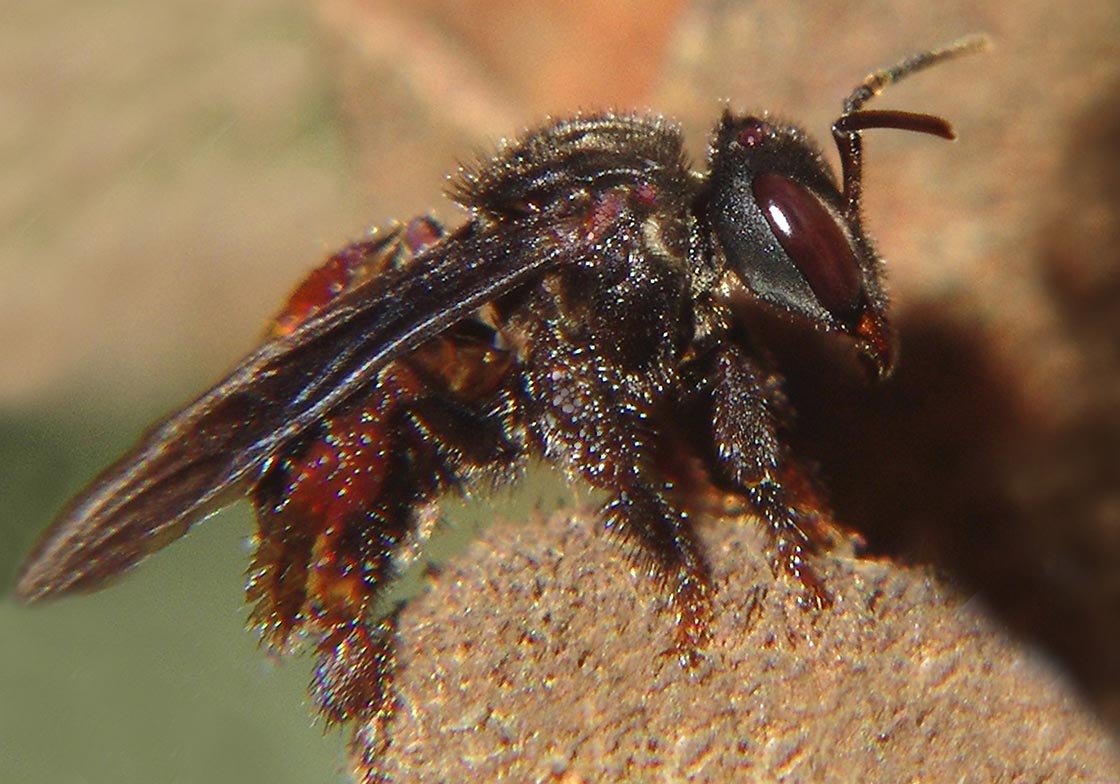
stingless bees are a fascinating group, and they’re very different from the honeybees most people know. They open the door to some really interesting discussions about behavior, ecology, and even exotic animal keeping. Stingless bees belong mainly to the tribe Meliponini (in the tropics) and some species of Trigona. Despite the name, they do have a stinger — it’s just vestigial and cannot be used for defense. They’re found mostly in tropical and subtropical regions: Central/South America, Africa, Southeast Asia, and Australia.
They’re known for multiple things:
- Highly social colonies (similar to honeybees)
- Producing honey with a unique flavor (“meliponine honey”)
- Nesting in tree cavities, ground cavities, or even walls
- Being extremely important pollinators in tropical ecosystems
How do stingless bees defend themselves?
Even without a functional stinger, they are not defenseless. Their strategies vary by species and can be surprisingly intense:
- Biting: Many species have strong mandibles and will bite aggressively. Some even secrete irritating substances while biting.
- Resin attacks: Some species collect sticky plant resins and smear it on intruders, glue predators’ legs or antennae, block nest entrances with resin barriers.
- Mass swarming: They can overwhelm an intruder by sheer numbers, crawling into eyes, ears, hair, or nostrils. It’s not dangerous, but extremely uncomfortable.
- Soldier castes: Certain genera (e.g., Tetragonisca, Trigona) have specialized soldier bees with larger heads, stronger jaws, defensive behavior patterns.
- Nest architecture: Some species build narrow entrance tubes, wax “fortifications,” hidden or camouflaged nest entrances.
- Their defense is more about harassment, immobilization, and deterrence than inflicting pain.
What makes them unique?
A few standout traits are:
- Their honey: Stingless bee honey is more liquid, tangier and more aromatic, produced in small quantities, stored in wax “pots” instead of combs.
- Their wax and resin structures: They build brood cells in clusters, honey pots, pollen pots, elaborate entrance tubes.
- Their gentle nature: They’re far less dangerous than honeybees, making them popular in urban beekeeping in tropical countries.
- Species diversity: There are over 500 species, each with different behaviors, nest types, and colony sizes.
Are stingless bees used in captive breeding?
Yes — but only in tropical regions. This practice is called meliponiculture. It is common in Brazil, Mexico, Australia, Thailand, Malaysia etc. People keep them in wooden hive boxes, hollow logs, specialized meliponaries.
You may also like to know what is a lithobie : Whats Is a Lithobie (lifestyle, dangerousness and more!)
Our learning resources
- Our Gumroad shop : https://arthropodinfo.gumroad.com/
- Dangerousness of arachnids ebook : https://arthropodinfo.gumroad.com/l/dangerousness-of-arachnids