Why do some insects play dead?
Many insects “play dead” because freezing or collapsing makes predators lose interest, overlook them, or assume they’re unsafe to eat. This behavior—called thanatosis or tonic immobility—is widespread and surprisingly effective across beetles, bugs, and even some larvae. It works because many predators rely on movement to detect prey or avoid scavenging something that might be diseased.
A last‑resort defense mechanism
Thanatosis is an involuntary, reflexive state where an insect becomes completely still, sometimes stiffening or falling over. It’s triggered when a predator touches, grabs, or startles the insect. Scientists describe it as extreme motor inhibition.
Why does it works against predators?
Predators often abandon prey that appears dead because:
- Movement triggers attack behavior: Many predators hunt by detecting motion. A motionless insect becomes “invisible” to them.
- Dead prey may be unsafe: Some predators avoid carcasses to reduce the risk of eating something diseased or decayed.
- It breaks the predator’s expectations: Sudden stillness can confuse predators long enough for the insect to escape once released.
- It can be extremely convincing: Some insects remain immobile for long periods—antlion larvae can stay still for over an hour.
Examples of insects that play dead
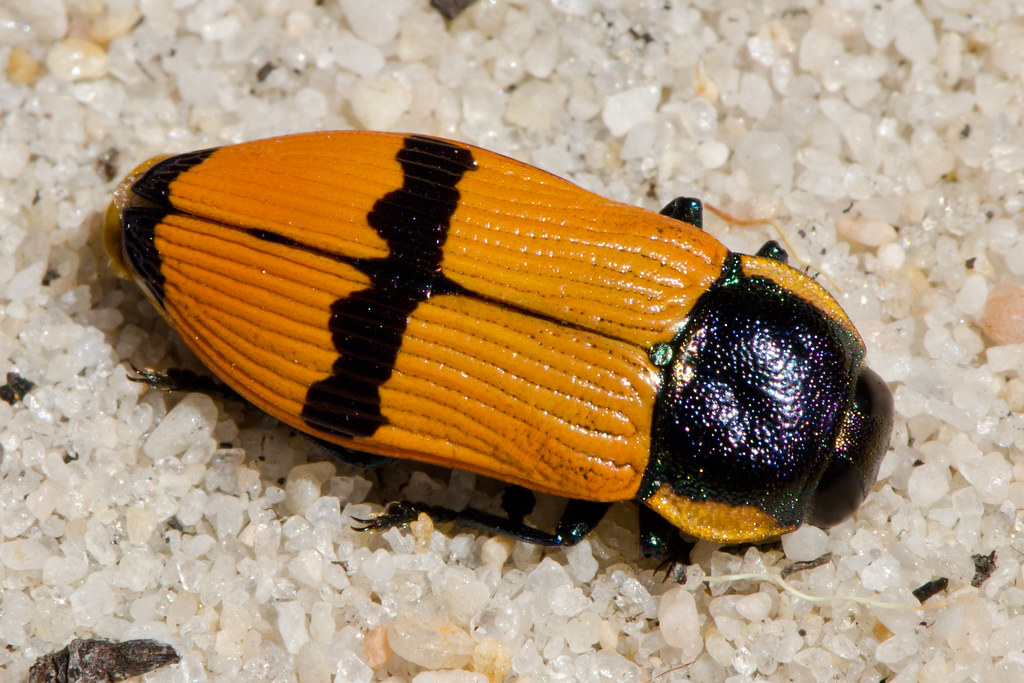
- Beetles (many species): Ladybugs, click beetles, and darkling beetles frequently drop and freeze when disturbed. Beetles are among the most common users of thanatosis.
- Antlion larvae: Known for dramatic, long-lasting immobility—sometimes over an hour—before suddenly resuming activity in unpredictable ways.
- Butterflies and moths: Some species collapse and remain still when grabbed by predators, especially small birds.
- True bugs (Hemiptera): Stink bugs and assassin bugs often fall to the ground and remain motionless.
- Weevils: Many weevils instantly “drop and play dead” when touched—so common that it’s a classic field observation.
You may also like to know why crickets sing : Why crickets sing? – arthropodinfo
Our learning resources
- Our Gumroad shop : https://arthropodinfo.gumroad.com/
- Dangerousness of arachnids ebook : https://arthropodinfo.gumroad.com/l/dangerousness-of-arachnids