What Is an Antlion?
An antlion (French: fourmilion) is a neuropteran insect belonging to the family Myrmeleontidae, best known for its larvae, which dig funnel‑shaped pits in loose sand to trap ants. With more than 1,500 species worldwide, antlions are widespread in warm, dry environments, including parts of central Europe.
Although the adult resembles a delicate dragonfly, its biology and behavior are entirely different.
The Larva: A Remarkably Efficient Predator
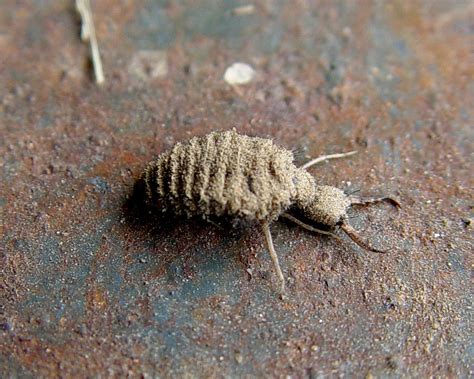
The larval stage is the most iconic and fascinating part of the antlion’s life cycle. The larva is squat, rounded, and armed with large, sickle‑shaped mandibles that function like hollow syringes. Through these, it injects digestive enzymes into its prey and then sucks out the liquefied tissues.
Many species build the classic conical pit:
- The larva buries itself and moves backward in circles to excavate a perfect funnel.
- The walls are steep and unstable, causing any passing insect to slide downward.
- When a victim—often an ant—falls in, the larva flicks sand upward to prevent escape.
- Once the prey reaches the bottom, the larva grabs it with its mandibles and consumes it.
This trap is one of the most sophisticated ambush strategies in the insect world.
Diet
Larvae are strictly carnivorous and feed on ants, small insects and occasionally larger prey if they fall into the pit. They can survive long periods without food, thanks to a very slow metabolism.
The Adult: A Nocturnal, Fragile Insect
Adult antlions are far less conspicuous than their larvae. They have:
- Long, narrow, transparent wings with intricate venation
- Clubbed antennae, unlike dragonflies
- A slender abdomen
- A slow, fluttering flight, mostly at dusk or at night
Adults are short‑lived compared to larvae and are often overlooked in nature.
Habitat
Adults inhabit:
- Sandy clearings
- Dry forest edges
- Sunny slopes
- Warm, open habitats
In Europe, around 40 species are known, with the highest diversity in Mediterranean regions.
Diet
Most adults are predators of small insects, though some species may also feed on pollen or nectar.
Key Characteristics
Larva:
- Compact, camouflaged body
- Strong, hollow mandibles for injecting enzymes
- Ability to dig precise funnel traps
- Ambush‑based hunting strategy
- External digestion
Adult:
- Four narrow, lace‑like wings held roof‑like over the body
- Clubbed antennae
- Weak, crepuscular flight
- Predatory or occasionally pollen‑feeding
- Excellent camouflage in sandy environments
Scientific Classification
- Kingdom: Animalia
- Phylum: Arthropoda
- Class: Insecta
- Order: Neuroptera
- Family: Myrmeleontidae
Why Are Antlions So Fascinating?
Antlions captivate naturalists for several reasons:
- Their ingenious larval traps, which are both elegant and effective
- Their unique predatory behavior, unmatched among European insects
- The contrast between the fearsome larva and the delicate adult
- Their discreet lifestyle, which makes them easy to overlook despite their wide distribution
You may also like to know what is a stingless bee : What are stingless bees? (lifestyle and breeding)
Our learning resources
- Our Gumroad shop : https://arthropodinfo.gumroad.com/
- Dangerousness of arachnids ebook : https://arthropodinfo.gumroad.com/l/dangerousness-of-arachnids