What are Mealybugs?
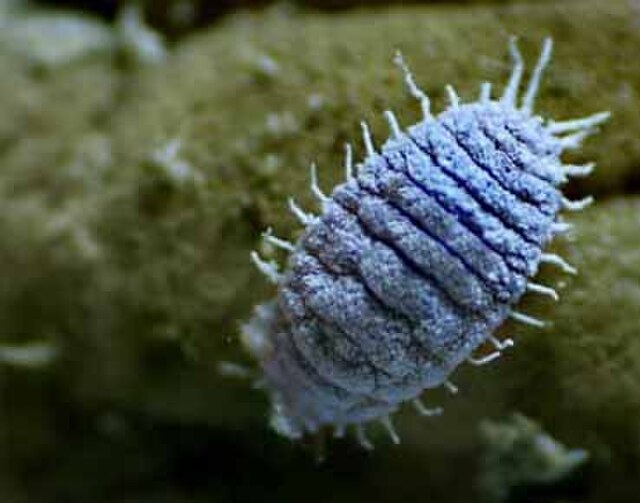
Mealybugs are small, soft‑bodied insects that feed on plant sap and are considered major agricultural and horticultural pests. They weaken plants, produce sticky honeydew that leads to mold growth, and can even spread plant diseases. Their “role” in ecosystems is mostly as pests, though they also participate in food webs and mutualistic relationships with ants.
What Mealybugs Are?
- Insects in the family Pseudococcidae.
- Soft-bodied, white, and wax‑covered, giving them a cottony appearance.
- Sap‑sucking pests that use piercing mouthparts to feed on plant phloem.
- Found on leaves, stems, roots, and fruits of many plant species.
How They Affect Plants?
They mostly:
- Drain plant sap, causing yellowing leaves, stunted growth, wilting, premature leaf drop.
- Produce honeydew, a sugary liquid that, attracts ants, encourages sooty mold, which blocks sunlight and reduces photosynthesis.
- Some species transmit plant viruses, increasing crop damage.
Their Role in the Ecosystem
Although mostly known as pests, mealybugs do have ecological roles:
They’re part of the Food Web and serve as prey for:
- Lady beetles
- Lacewings
- Parasitic wasps
- Predatory beetles
Mutualism With Ants:
- Ants “farm” mealybugs for honeydew.
- In return, ants protect them from predators, helping mealybug populations grow.
Plant–Insect Interactions:
- Their feeding influences plant health and can shape plant community dynamics.
- In natural ecosystems, they help regulate certain plant species.
Agricultural Impact:
- Reduce crop yield and quality
- Increase production costs
- Force reliance on biological or chemical control methods
Why They Matter
Over 2,000 species exist, many of which are economically significant pests. Their ability to hide in plant crevices and reproduce quickly makes them difficult to control. Mealybugs can certainly be devastating at times, as well as being the worst nightmare of plant keepers. However, they are an integral part of the ecosystem and seek to feed like any other animal. We shouldn’t hate them for that.
You may also like to know what are collemboles : What are springtails? (the ultimate decomposers)
Our learning resources
- Our Gumroad shop : https://arthropodinfo.gumroad.com/
- Dangerousness of arachnids ebook : https://arthropodinfo.gumroad.com/l/dangerousness-of-arachnids