How do spiders make webs?
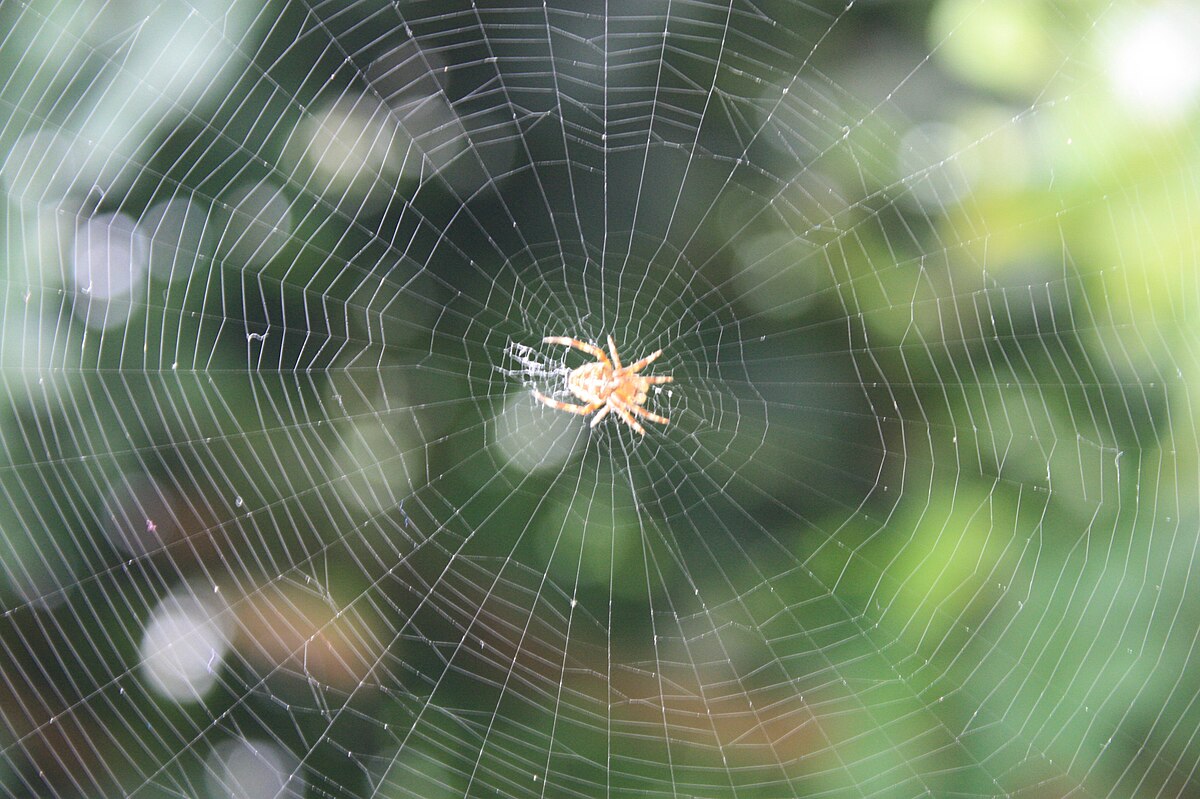
Spiders build webs through a remarkably precise, instinctive process using silk they produce from specialized organs called spinnerets. The whole operation is a mix of engineering, biology, and behavior that varies slightly by species, but the core steps are surprisingly consistent.
How Web‑Building Works
Silk Production
- Spiders produce silk from spinnerets located at the rear of their abdomen.
- Each spinneret can release different types of silk—sticky, stretchy, or strong—depending on the web’s purpose.
- The silk is a protein-based fiber that starts as liquid and solidifies when pulled.
Creating the First Anchor Line
- The spider releases a thin strand into the air.
- When the breeze carries it to a surface and it sticks, the spider crosses it to reinforce the line.
- This becomes the foundation of the web.
Building the Frame
- The spider constructs a triangular or circular frame by walking along the anchor line and attaching new strands.
- These strong, non-sticky lines form the outer boundary of the web.
Adding Radial Lines
- From the center, the spider walks outward, attaching spokes like a bicycle wheel.
- These radial threads support the final sticky spiral.
Spinning the Sticky Spiral
- The spider switches to a different silk—adhesive and elastic—and spins a spiral from the outside inward (or vice versa, depending on species).
- This sticky spiral is what traps insects.
Final Touches
- The spider may remove the temporary scaffolding spiral it used earlier.
- It then waits—often at the center or in a nearby retreat—feeling for vibrations that signal prey.
Fun Extras
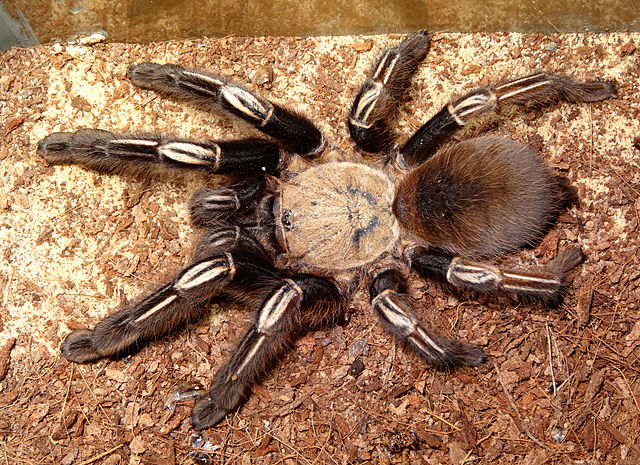
- Not all spiders make webs, some hunt on foot.
- Web designs vary: orb webs, sheet webs, funnel webs, and more.
- Spider silk is incredibly strong for its size—stronger than steel by weight.
You may also like to know why arachnophobia is so common : Why is arachnophobia so common? (the various factors)
Our learning resources
- Our Gumroad shop : https://arthropodinfo.gumroad.com/
- Dangerousness of arachnids ebook : https://arthropodinfo.gumroad.com/l/dangerousness-of-arachnids