What is the role of insects?
Insects are far more important than most people realize. They’re not just tiny creatures buzzing around — they’re the backbone of many natural systems and even human industries. Their roles are surprisingly diverse and absolutely essential.
Ecological Roles
Pollination:
- Many fruits, vegetables, and flowering plants depend on insects like bees, butterflies, and beetles.
- About one‑third of the food humans eat relies on insect pollination.
Decomposition:
- Insects such as flies, beetles, and termites break down dead plants, animals, and waste.
- This recycling returns nutrients to the soil and keeps ecosystems clean.
Food Source:
- Insects are a major food source for birds, amphibians, reptiles, fish, and mammals.
- Without insects, entire food chains would collapse.
Soil Health:
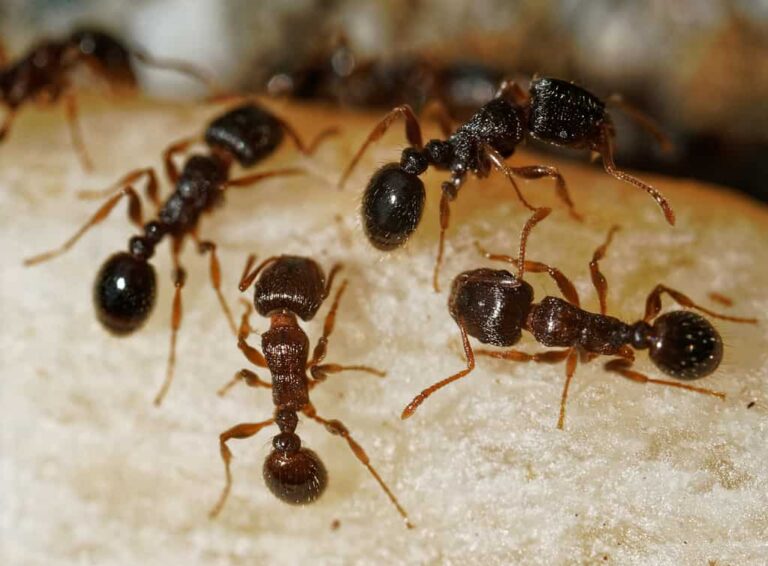
- Ants and beetles aerate soil, helping water and nutrients reach plant roots.
- Termites break down tough plant material, enriching soil fertility.
Population Control:
- Predatory insects (like ladybugs, dragonflies, and wasps) keep other insect populations in check.
- This natural balance prevents outbreaks of pests.
Human Uses
Products:
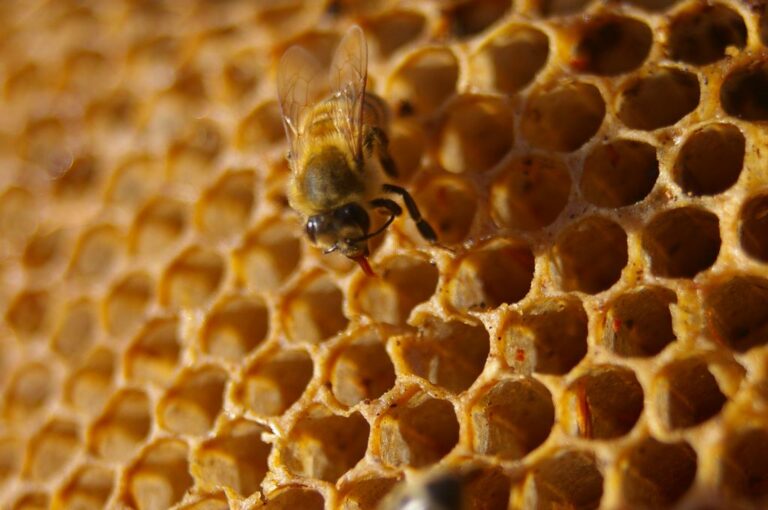
- Honey, beeswax, silk, shellac, and dyes come from insects.
Scientific Research:
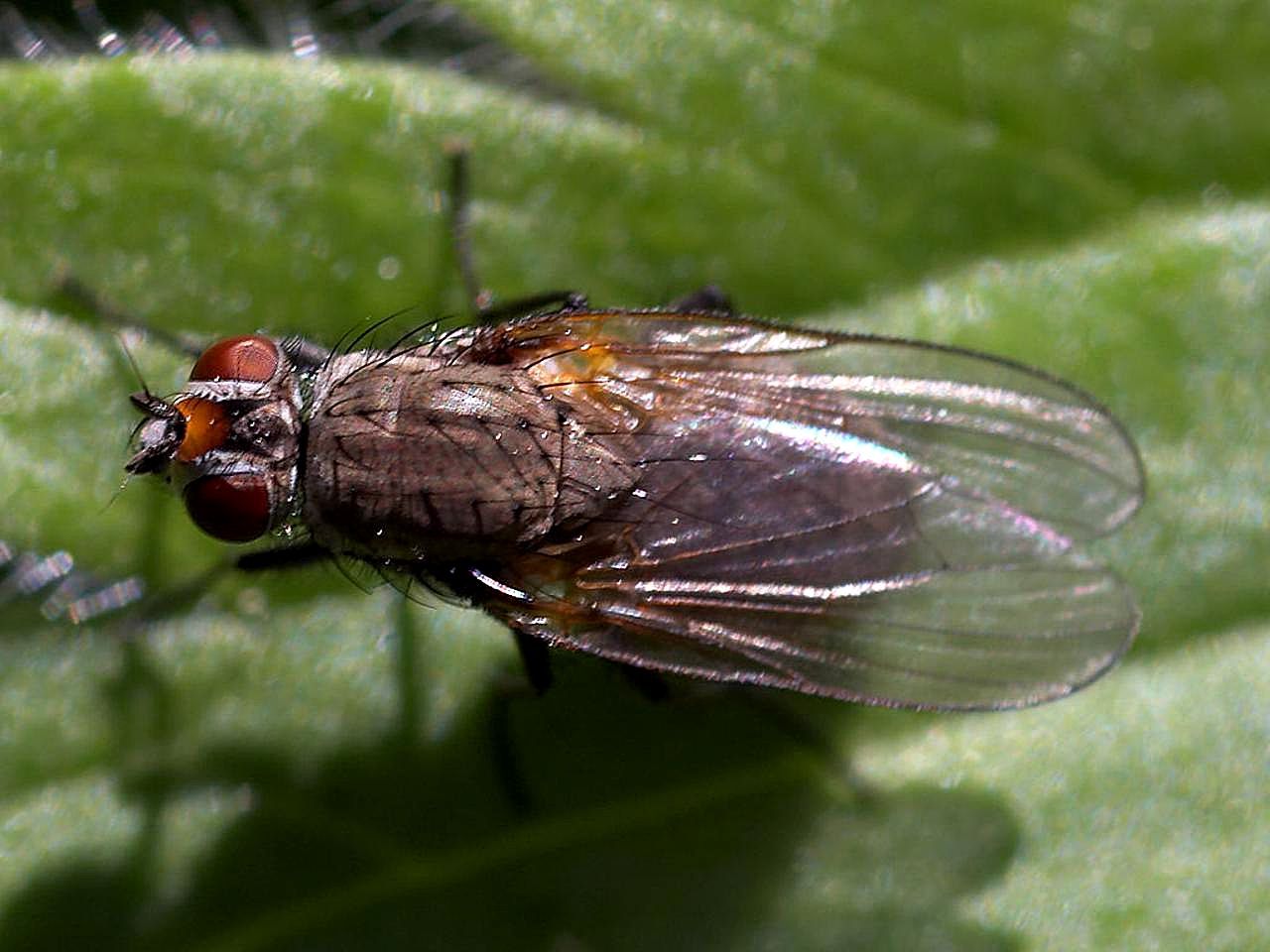
- Fruit flies are essential in genetics and medical research because they reproduce quickly and share many genes with humans.
Agriculture:
- Some insects are used for biological pest control, reducing the need for chemical pesticides.
Food for Humans:
- In many cultures, insects are eaten as a sustainable protein source.
- They require far fewer resources than livestock.
Industry:
- Certain insects are used in waste management, forensic science, and even wound cleaning (sterile maggots remove dead tissue).
You may also like to know why do some insects play dead : Why do some insects play dead? – arthropodinfo
Our learning resources
- Our Gumroad shop : https://arthropodinfo.gumroad.com/
- Dangerousness of arachnids ebook : https://arthropodinfo.gumroad.com/l/dangerousness-of-arachnids