Why do insects like light?
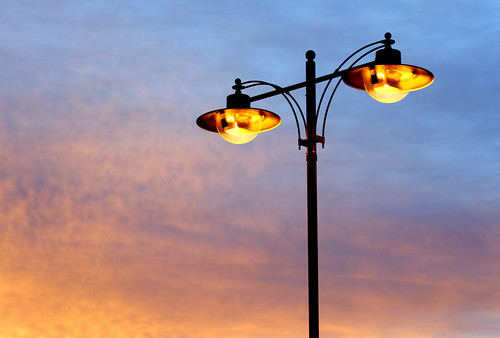
Many insects appear to “like” light because artificial lights disrupt the way they naturally navigate at night. Most nocturnal insects evolved to use the moon or stars as stable reference points, and bright human-made lights confuse those systems, pulling them off course.
Why insects gather around lights
Disrupted night‑time navigation:
- Many flying insects use transverse orientation—keeping a constant angle to a distant light source like the moon.
- Artificial lights are much closer and brighter, so the angle changes rapidly.
- The insect tries to correct its course, causing the familiar spiraling or circling behavior.
Positive phototaxis:
- Some insects instinctively move toward light (positive phototaxis).
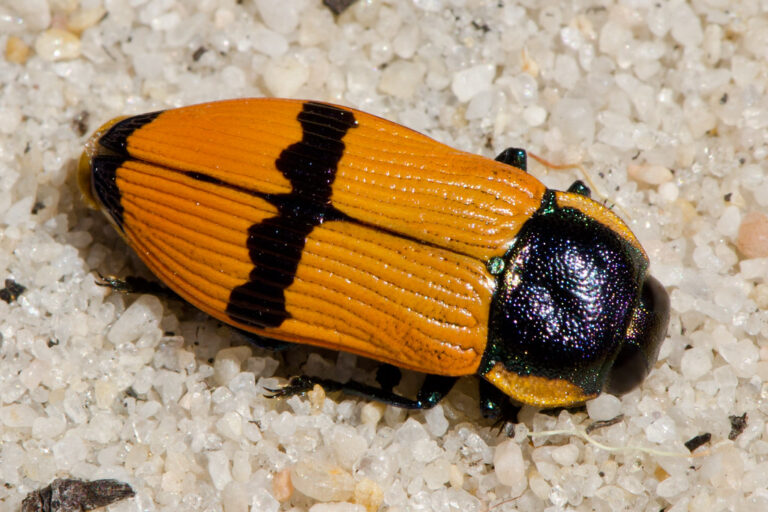
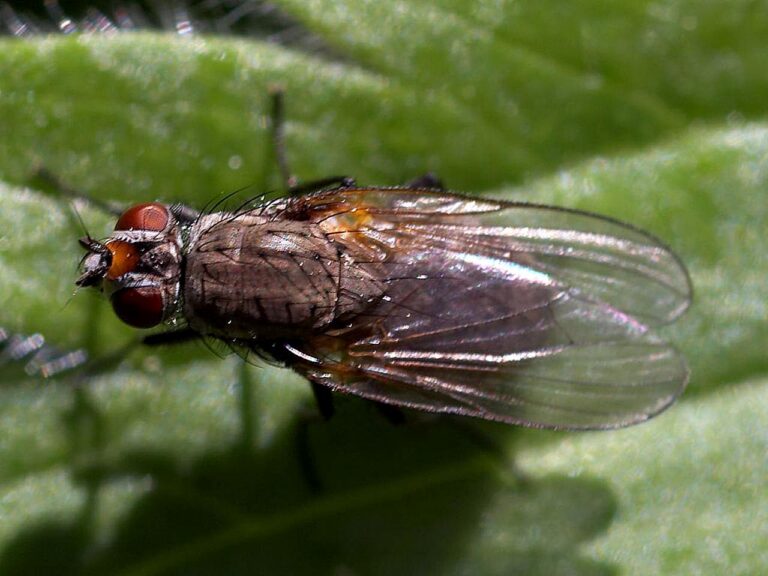
- Moths, flies, and beetles often show this response, especially when startled or searching for open, safe spaces.
Confusion of survival cues – bright lights can mimic environmental cues insects rely on, such as:
- Open sky
- Escape routes
- Mating signals (in some species)
This leads them to cluster around lamps even though it’s not beneficial.
Artificial lights can harm insects
- They waste energy flying around lights instead of feeding or mating.
- Some species experience reduced reproductive success near bright lighting.
You may also like to know how to identify large flying insects at night : Large flying insects at night – arthropodinfo
Our learning resources
- Our Gumroad shop : https://arthropodinfo.gumroad.com/
- Dangerousness of arachnids ebook : https://arthropodinfo.gumroad.com/l/dangerousness-of-arachnids